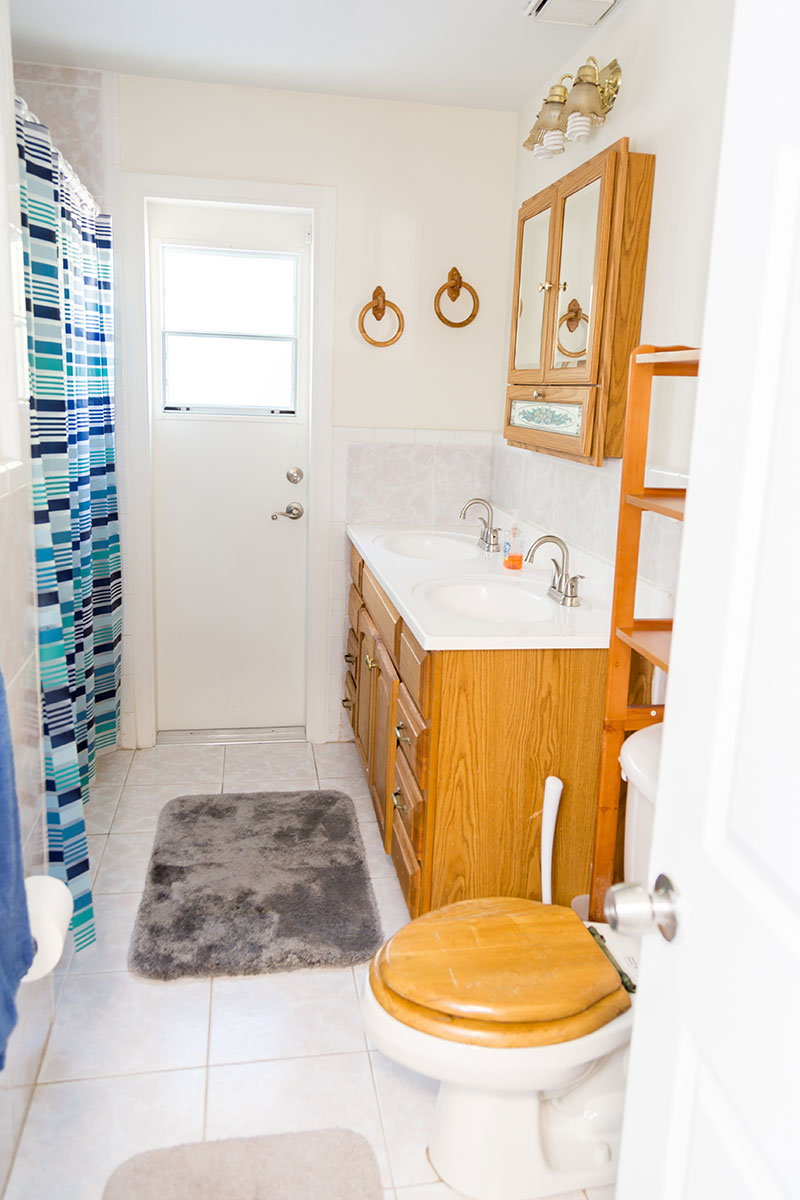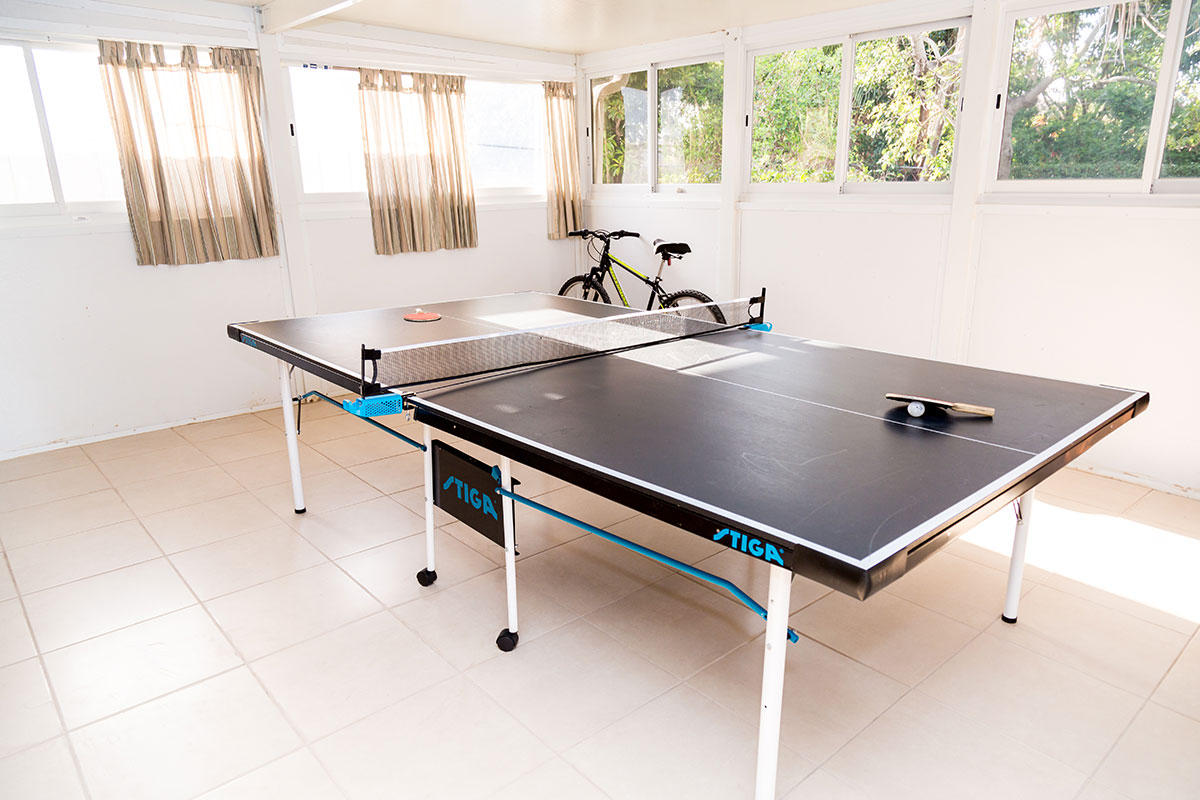

Sober living homes serve as a transitional environment for individuals recovering from addiction, providing a stable and supportive atmosphere. These homes are critical in helping residents adjust to life outside of treatment facilities while maintaining sobriety. By offering a structured setting, sober living homes bridge the gap between intensive rehabilitation and independent living.
Residents in these homes benefit from a community of peers who share similar experiences, promoting mutual support and accountability. This communal living approach encourages individuals to engage actively in their recovery process. The environment is designed to foster personal growth, rebuild self-esteem, and develop essential life skills that are crucial for a lasting recovery.
Furthermore, sober living homes impose certain rules and guidelines to ensure a safe and drug-free environment. These regulations often include curfews, mandatory participation in house meetings, and attendance at support groups. By adhering to these rules, residents learn responsibility and discipline, which are vital components of a successful recovery journey.
The Importance of Communication Skills in Recovery
Effective communication skills are pivotal in the recovery process, as they enable individuals to express their needs, set boundaries, and resolve conflicts. In the context of addiction recovery, communication becomes even more critical as it helps individuals articulate their emotions and seek support. By mastering these skills, residents of sober living homes can better navigate their personal and professional relationships.
Communication is also integral to self-awareness and emotional intelligence. As residents learn to communicate more effectively, they become more attuned to their feelings and can manage them constructively. This ability to express emotions without resorting to substance use is a significant milestone in the recovery journey, promoting mental well-being.
Moreover, strong communication skills contribute to building trust within the sober living community. When residents feel heard and understood, they are more likely to engage in open dialogues, share their challenges, and support their peers. This collaborative environment fosters a sense of belonging and reinforces the recovery process.
Key Skills Fostered in Sober Living Environments
Sober living homes are designed to cultivate a variety of essential skills that aid residents in their recovery journey. These skills not only support sobriety but also enhance overall life satisfaction and personal development. Key skills include:
- Active Listening: Residents learn to listen attentively to their peers, fostering empathy and understanding. This skill is crucial for building meaningful relationships and resolving conflicts amicably.
- Assertiveness: Sober living homes encourage residents to express their thoughts and feelings confidently and respectfully. Assertiveness training helps individuals set boundaries and communicate their needs effectively.
- Emotional Regulation: Managing emotions is a critical component of recovery. Residents are taught techniques to regulate their emotions, reducing the risk of relapse and promoting mental resilience.
These skills are integrated into daily interactions and activities within the sober living environment. By consistently practicing these competencies, residents gain confidence in their abilities and are better prepared to handle life’s challenges post-recovery.
The Role of Group Therapy in Skill Development
Group therapy is a cornerstone of the sober living experience, providing a platform for residents to practice and refine their communication skills. In these sessions, individuals share their experiences, challenges, and triumphs, fostering a sense of community and mutual support. Group therapy encourages open dialogue, helping residents articulate their thoughts and emotions in a safe space.
The group setting also allows residents to receive feedback from their peers, offering diverse perspectives on various issues. This feedback is invaluable in helping individuals gain insights into their behavior and develop strategies for improvement. By learning from others, residents can adopt new coping mechanisms and communication techniques that enhance their recovery journey.
Additionally, group therapy sessions often involve role-playing exercises and other interactive activities that simulate real-life scenarios. These exercises provide residents with opportunities to practice conflict resolution, assertiveness, and active listening in a controlled environment. Such experiences build confidence and prepare residents for interactions outside the sober living home.
Building Interpersonal Relationships in Sober Living Homes
Interpersonal relationships are a vital aspect of the recovery process, as they provide emotional support and a sense of belonging. Sober living homes facilitate the development of these relationships by fostering a community-oriented environment. Residents are encouraged to engage with one another, share their stories, and offer support, creating a network of individuals who understand the challenges of recovery.
The communal nature of sober living homes promotes collaboration and teamwork. Residents often participate in group activities, such as recreational outings, community service projects, and house meetings. These activities not only strengthen bonds but also teach important social skills, such as cooperation, empathy, and effective communication.
Building strong interpersonal relationships within the sober living community also helps residents combat feelings of isolation and loneliness. As individuals form meaningful connections, they develop a support system that extends beyond their stay in the home. This network of friends and allies can be instrumental in maintaining sobriety and navigating the challenges of life post-recovery.
Conflict Resolution Techniques for Residents
Conflict is a natural part of communal living, especially in a diverse environment like a sober living home. Learning to resolve conflicts constructively is crucial for maintaining a harmonious atmosphere and supporting recovery. Sober living homes equip residents with various conflict resolution techniques that promote understanding and collaboration.
One effective technique is active listening, where residents are encouraged to listen to each other’s perspectives without interruption. This approach fosters empathy and allows individuals to gain a deeper understanding of the underlying issues. By acknowledging each other’s feelings, residents can work towards finding mutually acceptable solutions.
Another important technique is mediation, where a neutral third party facilitates discussions between conflicting parties. Mediation helps residents communicate openly and honestly, reducing tension and promoting compromise. This process teaches valuable negotiation skills and encourages residents to find common ground.
Problem-solving workshops are also commonly offered in sober living homes, providing residents with practical tools to address conflicts. These workshops teach residents how to identify the root causes of disputes, evaluate potential solutions, and implement effective strategies. By mastering these techniques, residents are better equipped to handle conflicts both within and outside the sober living environment.
Life Skills Workshops Offered in Sober Living Homes
Life skills workshops are an integral part of the curriculum in sober living homes, designed to prepare residents for independent living. These workshops cover a wide range of topics, from financial management to job readiness, equipping residents with the tools they need to thrive post-recovery.
Financial management workshops teach residents how to budget, save, and manage their finances responsibly. By learning to handle money effectively, individuals can achieve financial stability and reduce the stress associated with monetary concerns.
Job readiness workshops focus on resume building, interview skills, and job search strategies. These sessions empower residents to pursue employment opportunities, fostering a sense of purpose and self-sufficiency. Gaining meaningful employment is a significant step towards reintegration into society and maintaining long-term sobriety.
Additionally, health and wellness workshops promote physical and mental well-being, emphasizing the importance of a balanced lifestyle. Topics may include nutrition, exercise, stress management, and mindfulness practices. By prioritizing their health, residents can enhance their overall quality of life and support their recovery process.
The Impact of Communication on Long-Term Recovery
Effective communication is a critical factor in achieving and maintaining long-term sobriety. By developing strong communication skills, residents of sober living homes can navigate challenges, build supportive relationships, and make informed decisions. These skills are essential for sustaining recovery and achieving personal and professional success.
Communication skills also play a vital role in relapse prevention. By expressing their needs and emotions effectively, individuals can seek support and address issues before they escalate. Open communication with peers, therapists, and support networks provides a safety net, reducing the risk of relapse and promoting mental resilience.
Furthermore, enhanced communication skills contribute to personal growth and self-awareness. As residents become more adept at articulating their thoughts and feelings, they gain a deeper understanding of themselves and their triggers. This self-awareness is crucial for developing effective coping strategies and maintaining a balanced lifestyle.
Conclusion: The Lasting Benefits of Enhanced Communication Skills
In conclusion, sober living homes provide a nurturing environment for residents to develop and refine essential communication skills. These skills are critical for achieving long-term recovery and enhancing overall quality of life. By fostering effective communication, sober living homes empower residents to build meaningful relationships, resolve conflicts, and navigate the complexities of daily life.
The benefits of enhanced communication skills extend beyond the sober living environment, impacting personal and professional aspects of residents’ lives. As individuals transition to independent living, they carry these skills with them, enabling them to thrive and maintain sobriety. The investment in communication skills is an investment in a brighter, healthier future.
If you or a loved one are considering a sober living home, remember that these environments offer more than just a path to sobriety. They provide invaluable opportunities for personal growth, skill development, and community building. Embrace the journey, and discover the transformative power of effective communication in recovery. Call us today at 833-285-1315.