
Sober living homes are designed to provide structure, accountability, and a supportive environment for individuals recovering from addiction. One of the ways these homes maintain stability is through shared chores and responsibilities. While chores may seem like a simple part of daily life, they play a meaningful role in helping residents rebuild routines, develop independence, and learn to function within a community.
Many individuals in recovery come from environments where responsibilities were neglected, routines were inconsistent, or life felt chaotic due to substance use. Sober living homes use daily tasks as a practical way to promote responsibility, organization, and self-discipline. Understanding how these tasks are divided offers insight into the inner structure that helps residents grow and prepare for independent living.
Why Chores Matter in Sober Living
Chores serve multiple purposes in sober living homes beyond maintaining cleanliness. For residents transitioning from treatment, they help reinforce life skills that may have been lost or never fully developed during addiction. Chores also promote accountability, teamwork, and respect for shared spaces.
Some of the key reasons chores matter include:
- Encouraging responsibility: Completing tasks on time strengthens reliability and builds confidence.
- Reinforcing structure: Routines help regulate daily life and stabilize emotional rhythms.
- Promoting cleanliness: A well-maintained home reduces stress and enhances safety.
- Supporting community: Shared tasks create unity and cooperation among residents.
- Preparing for independence: Residents practice the skills needed to live on their own.
Chores help residents move from dependency to self-sufficiency, a vital part of long-term recovery.
How Chores Are Typically Assigned
Most sober living homes use a structured system to assign chores fairly among residents. These systems vary depending on the size of the home, the number of residents, and the house rules. However, many homes rely on rotating schedules, task lists, or room-based divisions to ensure everyone contributes equally.
Common approaches to chore assignment include:
- Weekly rotating charts: Each resident has a task for the week, and assignments change regularly.
- Permanent responsibilities: Some homes designate certain long-term roles for stability.
- Shared tasks: Residents may work together on larger chores, such as deep cleaning.
- Room-based responsibilities: Residents clean their shared bathrooms or common areas near their rooms.
These systems are designed to be clear and fair, preventing conflict and ensuring everyone feels included in maintaining the home.
The Role of House Managers in Task Distribution
House managers or staff members often play a key role in delegating chores and ensuring they are completed. They help maintain fairness, resolve issues, and provide guidance when residents need support. House managers also ensure that chores align with the house’s rules, safety standards, and cleanliness requirements.
Their responsibilities may include:
- Creating weekly or monthly chore charts
- Assigning tasks based on fairness or rotation
- Inspecting completed chores
- Providing reminders or feedback
- Addressing ongoing issues or missed responsibilities
House managers help keep the home functioning smoothly, giving residents a supportive structure in which to learn accountability.
Types of Chores Assigned in Sober Living Homes
Chores in sober living homes range from simple daily tasks to more extensive weekly cleaning. They may vary based on house size and needs, but most homes focus on essential household upkeep.
Common tasks include:
- Kitchen cleanup: Washing dishes, wiping counters, cleaning appliances, and keeping the area sanitized.
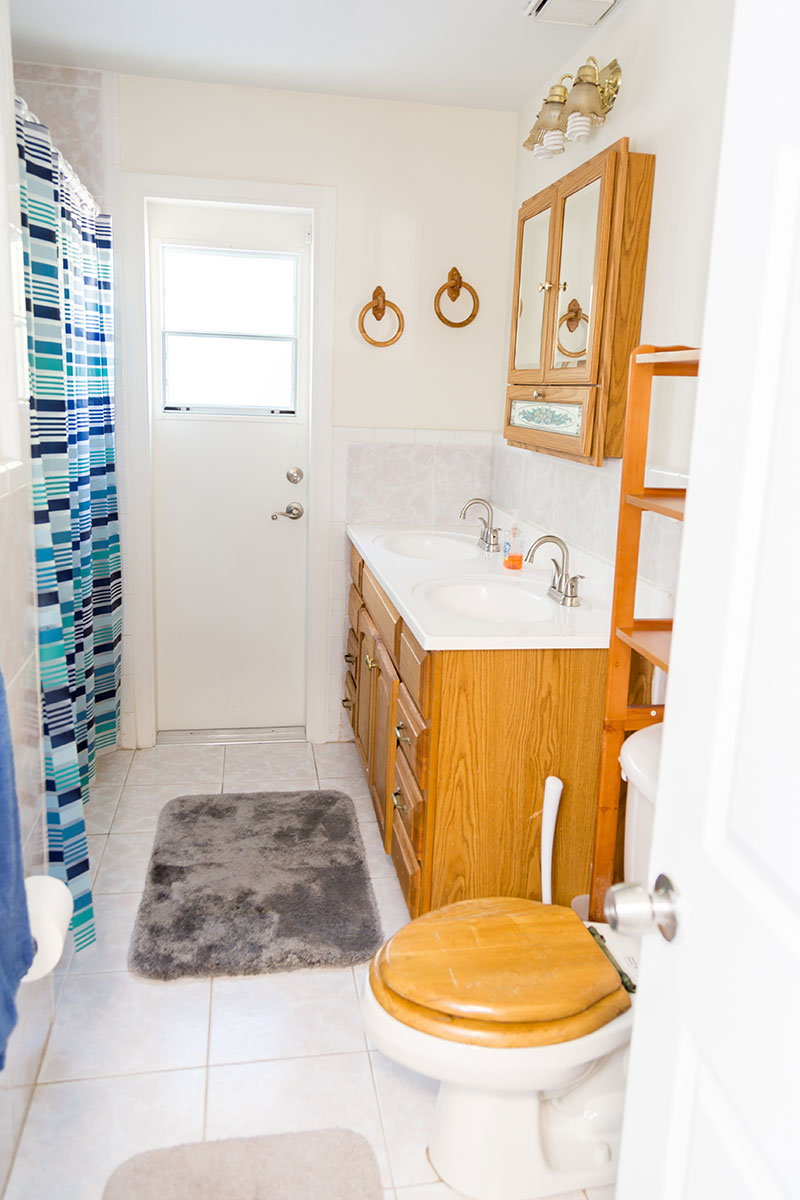
- Bathroom cleaning: Disinfecting sinks, toilets, showers, and restocking supplies.
- Trash and recycling: Taking out garbage, sorting recyclables, and replacing bag liners.
- Living room upkeep: Vacuuming, dusting, organizing furniture, and removing clutter.
- Laundry: Washing towels, cleaning linens, or doing personal laundry.
- Yard maintenance: Watering plants, mowing lawns, or clearing outdoor areas.
- Floors and surfaces: Sweeping, mopping, and ensuring communal areas remain tidy.
These chores mimic real-life responsibilities residents will face when living independently.
Importance of Rotating Chores
Most sober living homes rotate chores regularly to ensure fairness and prevent residents from feeling stuck with the same responsibilities. Rotation also helps residents develop a broader skill set and learn how to manage different types of tasks.
Benefits of rotating chores include:
- Reducing conflict or resentment
- Teaching flexibility and adaptability
- Encouraging teamwork when tasks shift
- Helping residents learn new life skills
- Making the system more equitable
Rotation ensures that all residents contribute equally to the home’s upkeep.
Daily vs. Weekly Chores
Chores in sober living homes are often divided into daily and weekly responsibilities. This system helps keep the environment consistently clean while allowing time for deeper cleaning when necessary.
Daily chores may include:
- Washing dishes
- Wiping counters
- Taking out the trash
- Sweeping high-traffic areas
- Cleaning up spills or clutter
Weekly chores may include:
- Deep-cleaning bathrooms
- Vacuuming and mopping floors
- Cleaning the refrigerator
- Dusting furniture or shelves
- Organizing storage areas
This balance teaches residents time management and the importance of routine cleaning.
Handling Missed or Incomplete Chores
Accountability is central to sober living, and missed chores are addressed quickly to prevent arguments or resentment. Most homes have clear procedures outlining what happens if a resident does not complete their assigned task.
Possible consequences include:
- Verbal reminders or warnings
- Additional tasks assigned as compensation
- Loss of privileges (such as later curfews)
- Meetings with house managers
- Documentation in resident records
- In serious cases, temporary or permanent removal
These consequences teach responsibility and help maintain a positive environment for all residents.
Working Together on Community Cleaning Days
Many sober living homes schedule weekly or monthly cleaning days where all residents participate in house-wide deep cleaning. These events help maintain high hygiene standards and build community through shared work.
Community cleaning often includes:
- Organizing shared closets or storage areas
- Deep-cleaning kitchens and appliances
- Yard work or outdoor projects
- Sanitizing bathrooms thoroughly
- Rearranging furniture or updating spaces
These events reinforce teamwork, communication, and shared responsibility.
Using Chores to Build Life Skills for Independent Living
Beyond helping maintain the home, chores teach skills that residents will rely on long after leaving sober living. Many individuals entering recovery have spent years focused on survival rather than household management. Sober living provides hands-on training in everyday tasks.
Life skills developed through chores include:
- Time management
- Organization
- Cleaning and sanitation
- Meal preparation
- Budgeting for household supplies
- Personal responsibility
- Respect for shared spaces
These skills build confidence and prepare residents for a healthy, independent future.
How Chores Support Sobriety and Emotional Stability
While chores may seem unrelated to recovery at first glance, they provide surprising therapeutic benefits. Routine tasks create structure, which is crucial for emotional regulation. Completing chores can reduce anxiety, improve mood, and give residents a sense of accomplishment.
Chores support recovery by:
- Reducing idle time that may lead to cravings
- Giving residents a sense of purpose
- Creating a clean, calming environment
- Helping regulate sleep and activity patterns
- Encouraging mindfulness during repetitive tasks
A stable environment translates into a stronger foundation for sobriety.
Encouraging Peer Accountability
In sober living, residents hold each other accountable for completing tasks. Peer accountability teaches healthy communication, teamwork, and community responsibility. It also helps residents learn how to deal with conflict, offer feedback, and support one another.
Examples of peer accountability include:
- Reminding someone respectfully about their chore
- Helping a struggling resident complete a task
- Supporting peers who feel overwhelmed
- Communicating openly in house meetings
- Working together to maintain common areas
These interactions strengthen bonds and reinforce the importance of shared responsibility.
Adapting Chore Assignments to Individual Needs
Some sober living homes consider individual circumstances when assigning chores. Residents with physical limitations, medical conditions, or mental health concerns may receive modified tasks that allow them to contribute without feeling overwhelmed.
For example:
- Someone with back issues may avoid heavy lifting
- A resident managing anxiety might take on predictable weekly chores
- Older residents may be assigned lighter tasks
- Residents returning to work may receive time-flexible chores
This personalized approach promotes inclusivity while maintaining fairness.
Fostering a Healthy Home Through Shared Responsibility
Ultimately, chores and responsibilities form the backbone of a sober living home’s structure. They teach discipline, cooperation, and respect while helping residents rebuild their independence. When everyone contributes to maintaining the home, it fosters a sense of pride and unity that strengthens the recovery community.
Through shared responsibilities, residents learn how to balance personal needs with communal expectations—an essential skill for long-term success in sobriety and independent living.
Creating a Foundation for Future Stability
Chores in sober living homes represent more than household upkeep—they are stepping stones to personal growth, accountability, and emotional stability. By participating fully and consistently, residents develop habits and life skills that support their future. Whether transitioning into their own housing or returning to family life, the lessons learned through chores help shape confident, responsible individuals ready to thrive beyond sober living. Call us today at 833-285-1315.