
So, you’re looking into sober living, and you’ve probably heard the term “private sober living houses” thrown around. Maybe you’re wondering what makes them different from other options. It’s a really common question, and honestly, it can get a little confusing with all the choices out there. When someone’s working towards long-term recovery, the environment they live in plays a massive role. That’s why understanding these differences is super important. It’s not just about finding a roof over your head; it’s about finding the right kind of support, comfort, and structure that truly champions your sobriety.
I’ve seen firsthand how the right living situation can make all the difference for someone in recovery. It’s not just about avoiding triggers; it’s about actively building a new, healthy life. And that’s where private sober living houses often shine, offering some distinct advantages. But what exactly sets them apart? Let’s break it down.
What Defines “Private” Sober Living? Beyond Just a Name
Look, when we talk about “private” sober living, we’re usually talking about a few key things that really distinguish them from more traditional or institutional-style recovery homes. The biggest differentiator often comes down to the ownership and operation. You see, many private sober living homes are independently owned and operated, often by individuals or smaller organizations who might have a more personal stake in the recovery process. This isn’t always the case, of course, but it’s a common theme.
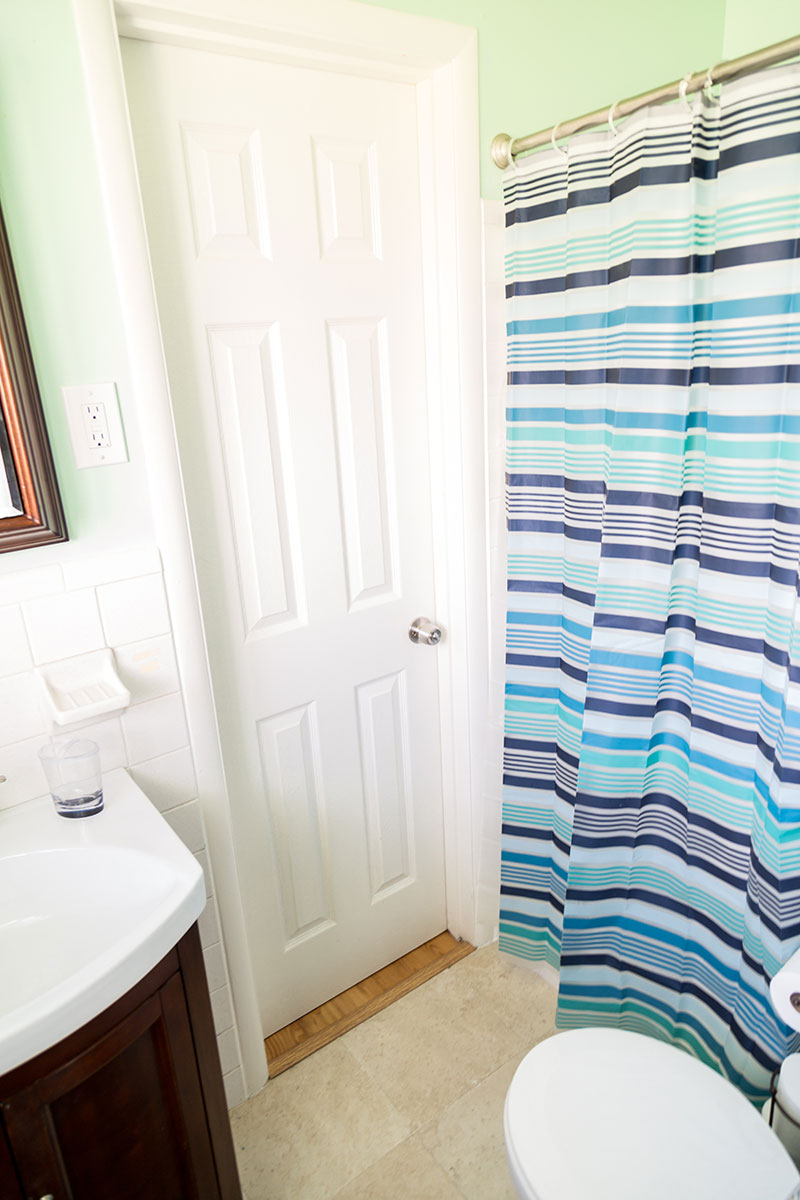
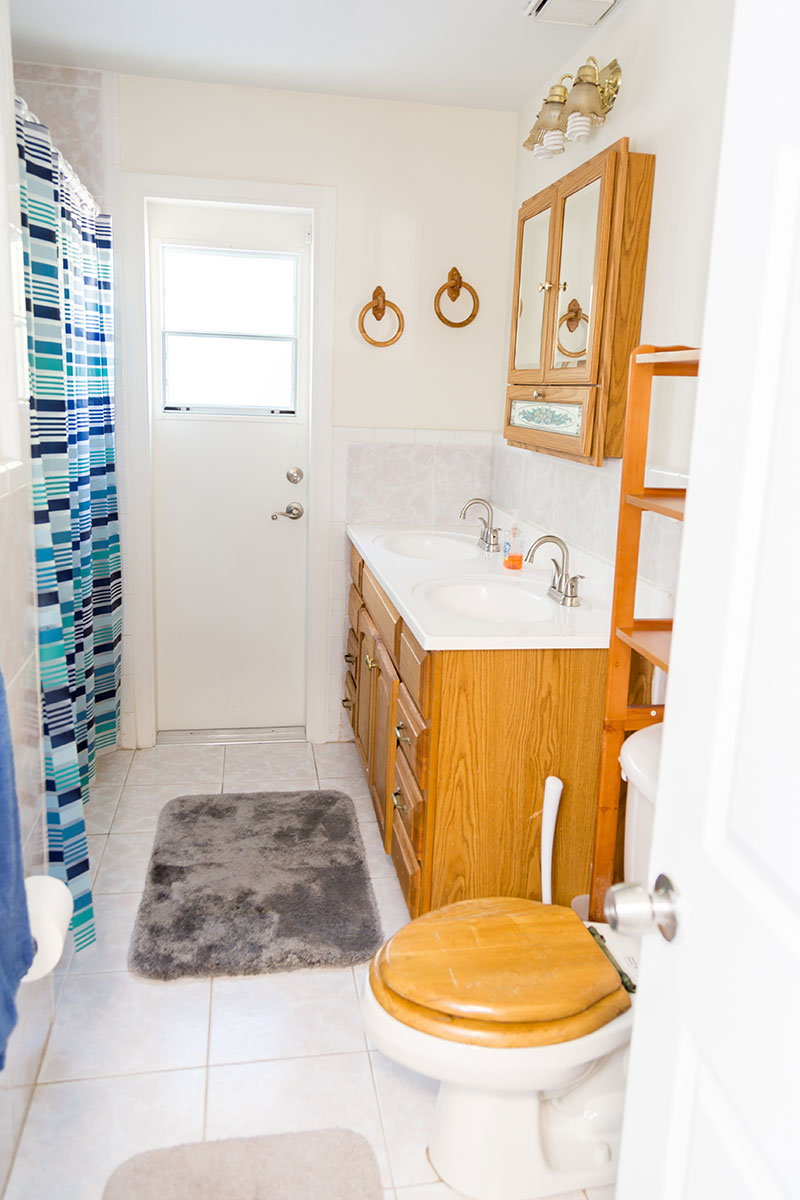
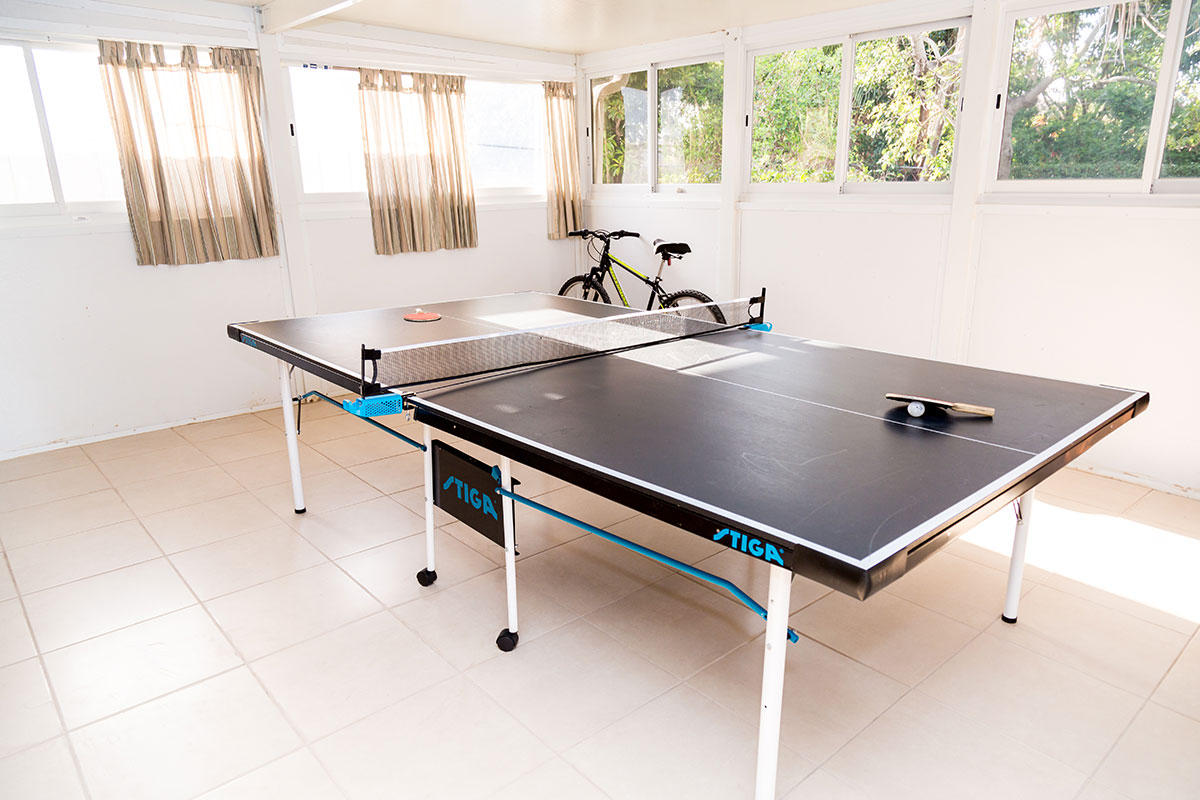
What does this mean in practice? Well, it often translates into a more personalized and often higher-end experience. Think about it: a smaller, more focused operation can sometimes offer a level of attention and customization that larger, more uniform facilities might not. You might find a greater emphasis on creating a real home-like environment, with amenities that feel a bit more comfortable and less institutional. We’re talking things like private rooms, gourmet kitchens, better common areas, and sometimes even fitness facilities or outdoor spaces.
Another crucial aspect is the resident-to-staff ratio. In my experience, private homes frequently boast lower ratios, meaning residents get more individualized attention. This can be huge, especially if you’re someone who thrives with one-on-one support and feels lost in bigger groups. It allows for deeper connections with house managers and staff, fostering a stronger sense of community and accountability. It’s like having a more intimate support network right at home, and honestly, that can be a game-changer for many folks.
- Ownership & Operation: Often independently owned, leading to greater flexibility.
- Amenities: Generally higher quality, including private rooms, nicer furnishings, and often more space.
- Resident-to-Staff Ratio: Typically lower, allowing for more individualized support.
- Location: Often situated in quieter, residential areas, offering a sense of normalcy.
- Rules & Structure: Can vary widely, but often balance structure with greater personal freedom.
- Cost: Due to enhanced amenities and services, private options generally have a higher price point.
Support Models, Structure, and Customization
So, beyond the decor and the number of people sharing a bathroom, what about the actual recovery support? This is where private sober living truly distinguishes itself in terms of structure and customization. While all sober living aims to support recovery, private homes frequently have a bit more freedom to tailor their programs and expectations. They still have rules, absolutely, because structure is vital for sobriety. But these rules might be balanced with a bit more personal autonomy as you progress.
For example, some private sober living houses might integrate specific holistic therapies, like mindfulness practices or yoga, right into their daily routine. Others might have a stronger focus on career development or educational pursuits, recognizing that employment and purpose are huge pillars of long-term recovery. In most cases, you’ll still have house meetings, expectations around chores, and accountability for attending 12-step meetings or other recovery-focused activities. But the exact flavor of these support systems can really vary (Polcin & Henderson, 2008).
What I’ve observed is that many private sober living homes aim to replicate a healthy, stable living environment, but with built-in accountability. It’s about learning to live independently again, but with a safety net. The house manager, who often lives on-site or is very present, plays a key role here – not just as an enforcer of rules, but as a mentor and guide. They’re there to help navigate the everyday challenges of early recovery, from finding employment to managing personal finances. This hands-on, yet less restrictive, approach can really help residents transition back into independent living confidently. It’s what I often call “supported independence,” and it’s a powerful thing.
Finding the right fit in a private sober living home means looking beyond just the price tag. It’s about asking, “Does this place align with my specific recovery needs and goals?” Don’t be shy about asking detailed questions about their daily schedule, the types of residents they accept, and what kind of support is available on-site. Your sobriety is worth that extra due diligence.
If you’re curious to learn more and explore options that might be right for you or a loved one, don’t hesitate to reach out. We can help guide you through the choices. Give us a call at 833-285-1315 – we’re here to help.
References
Polcin, D. L., & Henderson, D. (2008). A clean and sober place to live: an examination of the characteristics of individuals entering and leaving sober living houses. *Journal for Specialists in Group Work*, *33*(4), 332-349.