
Group Activities That Make Recovery Stronger
Recovery works best when people do it together. Group activities in sober living homes give residents a chance to build real bonds. These shared moments help people heal in ways that go far beyond just staying away from substances. They teach trust, build new habits, and create joy in everyday life.
Why Group Activities Matter So Much
Addiction often damages the brain’s ability to connect with others. Substance use rewires reward systems and weakens social skills over time. Consequently, many people in early recovery feel lonely or awkward in group settings. Structured activities help reverse that damage step by step.
Research shows that adding group activities to recovery programs greatly helps the healing process. Residents learn to manage emotions, build trust, and stay engaged with peers. Furthermore, these activities replace old routines centered on substance use with healthy new ones.
Therapeutic Group Activities
Story-sharing circles give residents a safe space to talk about their lives. Each person takes a turn, and others listen without judgment. This simple act builds empathy and connection in powerful ways.
Art therapy offers a different path for those who struggle to put feelings into words. Many people in recovery carry deep trauma that feels hard to express out loud. Painting, drawing, or sculpting lets them process emotions without needing perfect language. Sober living homes often use creative sessions to help residents open up at their own pace.
Mindfulness and meditation groups teach residents how to calm their minds. These sessions focus on breathing, body awareness, and staying present. Over time, they become tools people reach for instead of substances during stressful moments.
Role-playing exercises prepare residents for real-world triggers. Groups act out tough scenarios, like turning down a drink at a party. Practicing these moments builds confidence before they happen in real life.
Lifestyle and Social Activities
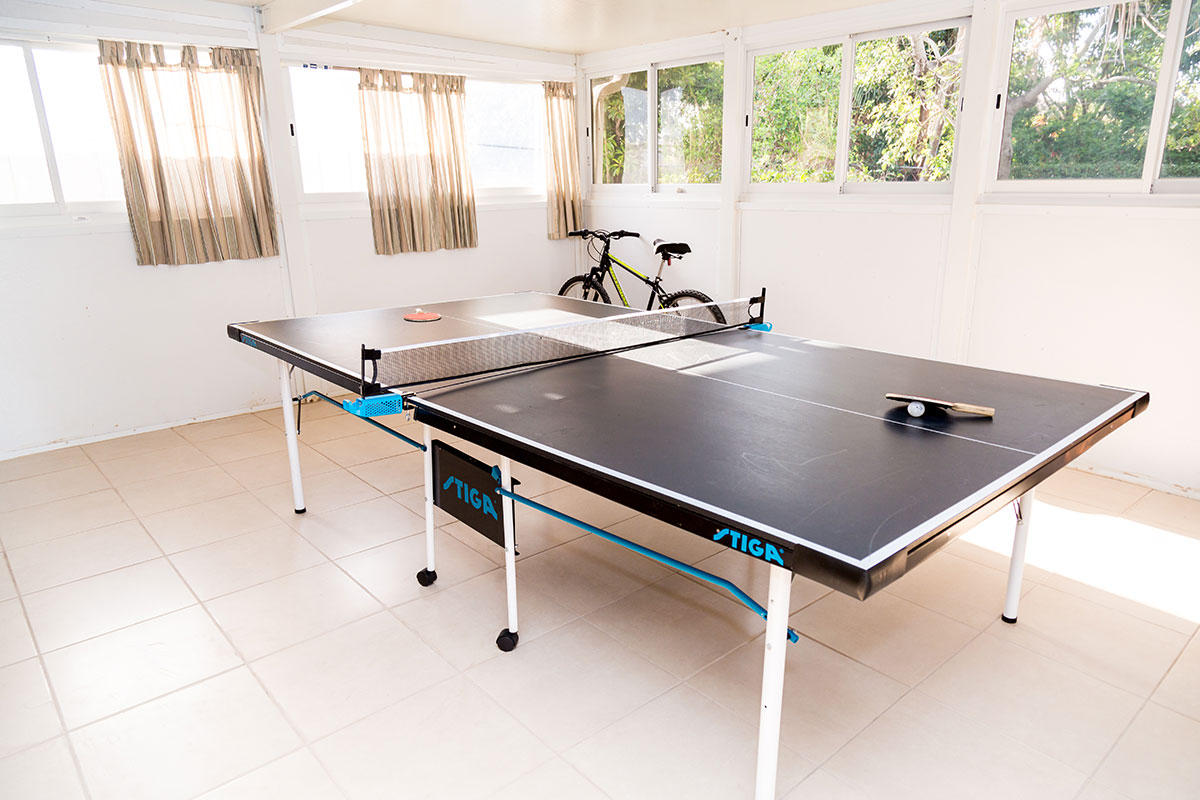
Not every group activity needs to feel like therapy. Fun matters too. Sports leagues, game nights, and outdoor trips bring people together through shared laughter and friendly competition.
Sports and fitness groups work especially well because they naturally keep people sober. Playing basketball, joining a running club, or taking group yoga classes creates built-in accountability. Notably, these activities also boost mood through natural endorphins.
Game tournaments have grown more popular in recovery settings. Escape rooms, puzzle nights, and board game events shift focus away from substances and toward teamwork. They help build positive peer networks and make it easier to say no to old habits.
Volunteer projects add purpose to the recovery journey. Organizing food drives, cleaning up parks, or helping at shelters gives residents a sense of meaning. Meanwhile, these acts create a healthy cycle where giving back fuels personal growth.
Cooking classes and shared meals teach practical skills while bringing people closer. Preparing food together feels natural and relaxed. It also helps residents learn to nourish their bodies in healthy ways.
Finding Local Activities in Columbus
Platforms like Meetup and Eventbrite now make it simple to find alcohol-free events nearby. Sober living in Columbus benefits from a growing network of local options. Sober cafes, wellness meetups, and outdoor hiking groups all offer great chances to socialize without pressure.
Additionally, Columbus has seen a rise in sober nightlife options. Mocktail happy hours, open mic nights, and live music events at alcohol-free venues are becoming more common. This cultural shift means recovery no longer feels like sitting on the sidelines of social life.
Workshops That Build New Skills
Modern sober living programs go beyond basic sobriety support. Many now offer workshops on budgeting, job readiness, and healthy cooking. These classes treat recovery as a full life change, not just the absence of substances. Accordingly, residents leave with tools they can use for years to come.
The SAMHSA National Helpline is a free resource that connects people with local treatment and support options. It serves as a great starting point for anyone looking for help.
The Bigger Picture
Sustainable recovery happens when sobriety fits into a full, enjoyable life. Group activities make that possible by replacing old patterns with fresh ones. They turn isolation into connection and boredom into excitement. Therefore, the best sober living homes blend structured therapy with organic, interest-based fun.
Take the Next Step Today
Are you or a loved one ready to explore group-centered recovery in a supportive home? Our team is here to answer your questions and help you find the right fit. Call us today at (833) 285-1315 to learn more about our programs and get started on a brighter path forward.